We Provide Wheel Balancing in Alice Springs
Enjoy a safer, smoother ride today!
Nature's Symphony
ButtonRequest a call back
Thank you for contacting Wheel Alignment Centre.
We will get back to you as soon as possible.
Oops, there was an error sending your message.
Please try again later.
Ensuring Even Weight Distribution

Concerned about a vibrating steering wheel? Driven over a few potholes recently? Your vehicle may be due for a service! At Wheel Alignment Centre, we provide wheel balancing for most makes and models in Alice Springs, including cars, 4WDs and five-metre-long trucks weighing up to two and a half tonnes.
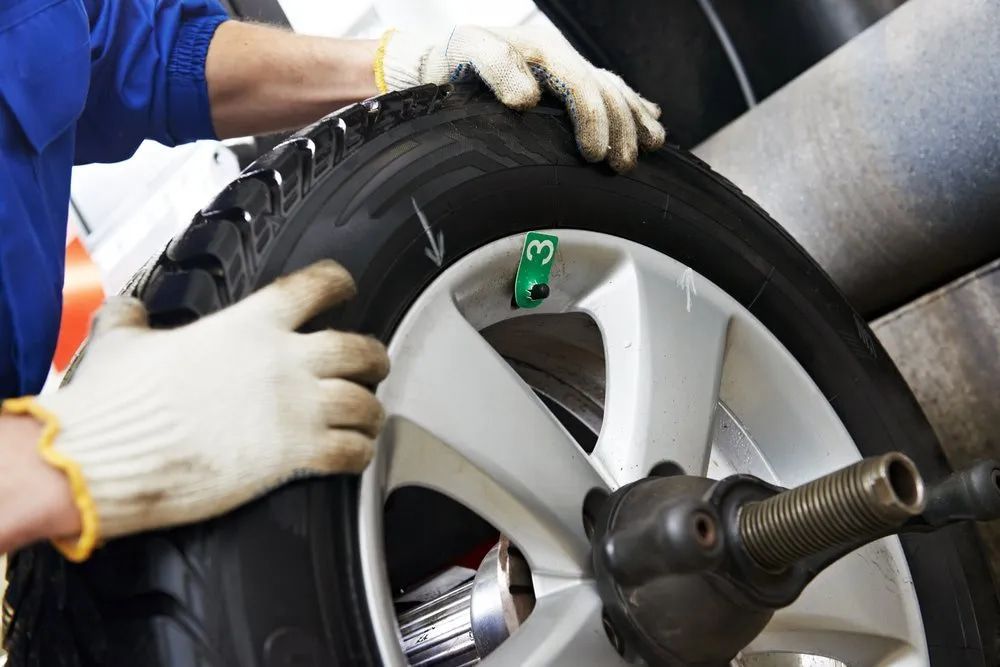
Wheel balancing involves readjusting your car’s tyre weights to provide a safer and smoother ride. As having unbalanced tyres can cause wear and tear to other car parts, we use the latest 3D scanning diagnostic technologies to accurately examine vehicles and ensure even weight distribution. Get in touch with our friendly team on 0437 471 406 or visit our workshop to make a booking.
Advanced 3D diagnostic technology for precise wheel balancing
Improved ride comfort, reduced tyre wear and better overall vehicle performance
Providing Numerous Benefits
From saving you money on replacement parts to keeping your vehicle in top shape, there are numerous benefits to getting your car’s wheels regularly balanced. They include:
- It protects your vehicle’s suspension: Out-of-balance wheels can affect your car’s suspension system. Wheel balancing is a fast and cheap service that could save you money on expensive suspension repairs down the track.
- It extends the life of your tyres: The vibrations and uneven tread wear caused by having unbalanced wheels reduces the lifespan of your tyres. Wheel balancing is a great way to ensure you get the most out of your tyres.
- It makes your vehicle safer: You can reduce the chances of getting dangerous bald spots on your tyres by having your wheels balanced
FAQ
What are the signs that my wheels need balancing?
Common indicators include vibrations in the steering wheel, seat or floor at certain speeds, uneven tyre wear or a general feeling that the vehicle isn’t driving as smoothly as it should. Vibrations often become more noticeable between 80–110 km/h, as this is when tyre imbalance becomes most pronounced. Other subtle signs can include increased road noise, faster tyre deterioration or the car pulling slightly to one side. Imbalance can develop over time due to normal tyre wear, hitting potholes or even slight variations in tyre construction, which is why regular balancing checks are recommended.
How often should wheel balancing be done?
Most experts recommend balancing your wheels every 10,000 km, or whenever tyres are rotated, repaired or replaced. However, the frequency can vary depending on driving habits and road conditions. Vehicles that frequently travel on rough roads or carry heavy loads may experience imbalance sooner. Even small impacts —like driving over a pothole or kerb — can shift the position of wheel weights. Staying on top of wheel balancing helps maintain driving comfort, improves steering stability and maximises tyre lifespan.
What is the difference between wheel balancing and wheel alignment?
Wheel balancing ensures the weight of the tyre and wheel assembly is evenly distributed, preventing vibrations and promoting a smooth ride. It focuses on correcting weight imbalances using small counterweights. Wheel alignment, on the other hand, refers to adjusting the angles of the wheels so they sit correctly relative to the road and the vehicle’s suspension geometry. Alignment issues typically affect tyre wear, steering response and how straight the vehicle drives. While both services improve handling and tyre life, they address entirely different issues — meaning it’s possible for a vehicle to need one, the other, or both.