We Provide Tyre Repairs in Alice Springs
Strictly adhering to Australian safety standards.
Nature's Symphony
ButtonRequest a call back
Thank you for contacting Wheel Alignment Centre.
We will get back to you as soon as possible.
Oops, there was an error sending your message.
Please try again later.
Offering Airtight Solutions
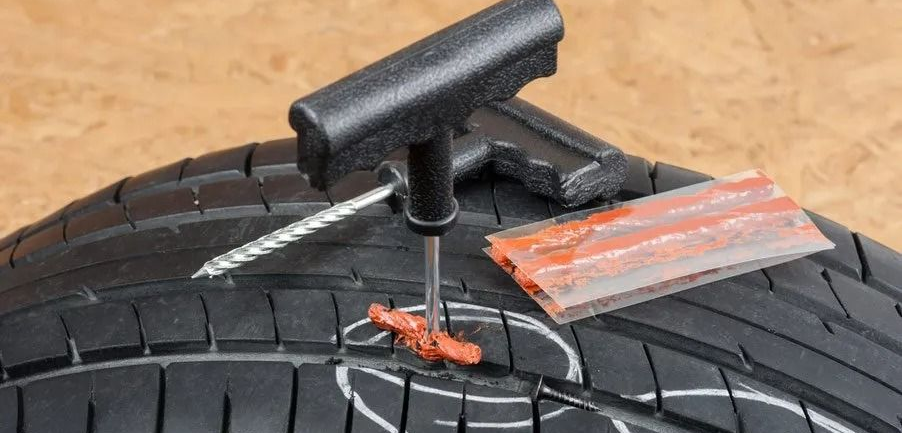
At Wheel Alignment Centre in Alice Springs, we understand the urgency of getting your car back on the road when you’ve got a tyre puncture. That’s why we proudly offer thorough and efficient tyre repairs for a massive range of vehicle types, including everything from cars and 4WDs to small and mid-size trucks.
Our professional team uses advanced 3D scanning diagnostics to determine whether a repair is possible or if it’d be safer to get a replacement. We strictly adhere to Australian safety standards and will remove your tyre from its rim to ensure the puncture is patched and filled adequately, making it airtight. Contact our friendly team on 0437 471 406 for a service.
Safe, compliant tyre repair methods that meet Australian standards
Thorough puncture inspection to ensure long-lasting, airtight results
Tips to Avoid Punctures
At Wheel Alignment Centre, we take pride in doing all we can to ensure motorists in Alice Springs get the most out of their tyres. That’s why we’ve put together a list of some of the most common causes of tyre punctures so you can avoid them:
- Worn tyres: Your tyres are more susceptible to punctures when the treads are worn out. It’s best to get them replaced if your depth is looking thin.
- Over-inflated tyres: Correctly inflating your tyres can reduce your chances of getting a puncture. This is because over-inflated tyres are more likely to suffer from a puncture if you hit a pothole.
- Road hazards: When possible, we recommend avoiding hazardous roads, including ones with potholes and dangerous debris, to prevent punctures from occurring.
FAQ
Can all tyre punctures be repaired?
Not all punctures are repairable. Whether a tyre can be safely repaired depends on the location, size and type of damage. Punctures located in the central tread area are often repairable, provided the hole is small and clean. Damage to the tyre’s sidewall or shoulder area, however, is generally considered unsafe to repair because these areas flex heavily while driving and repairs may not hold under pressure. Large punctures, cuts, blowouts or damage caused by driving on a flat tyre may also make the tyre unsafe to fix. Industry standards — such as those used across Australia— typically limit repairs to small holes (usually up to 6mm for passenger vehicles) and require that the internal structure of the tyre remains undamaged.
How long does a puncture repair take and what does the process involve?
A typical puncture repair takes around 20–40 minutes, depending on the tyre’s condition and the method used. The process usually begins with removing the tyre from the wheel so the inside can be fully inspected for hidden damage. If the puncture is repairable, the technician cleans the area, applies a patch-and-plug combination from the inside and seals it to prevent air leakage. This method is considered the safest and most durable repair because it restores both the airtight inner liner and the structural integrity of the tyre. Once repaired, the tyre is remounted, reinflated to the correct pressure and checked for leaks before being placed back on the vehicle.
Is it safe to drive on a tyre after a puncture?
Driving on a punctured tyre can be dangerous and may cause irreversible damage. Even if the tyre still holds some air, the internal structure may be compromised. If driven while flat or severely underinflated, the sidewall can collapse, resulting in shredded rubber, damaged rims and a complete tyre failure. This makes future repair impossible and can also create safety risks, especially at higher speeds. If a puncture occurs, the safest approach is to pull over in a secure location, assess the condition and either use a spare tyre or arrange assistance to prevent further damage.